Otter and water vole surveys
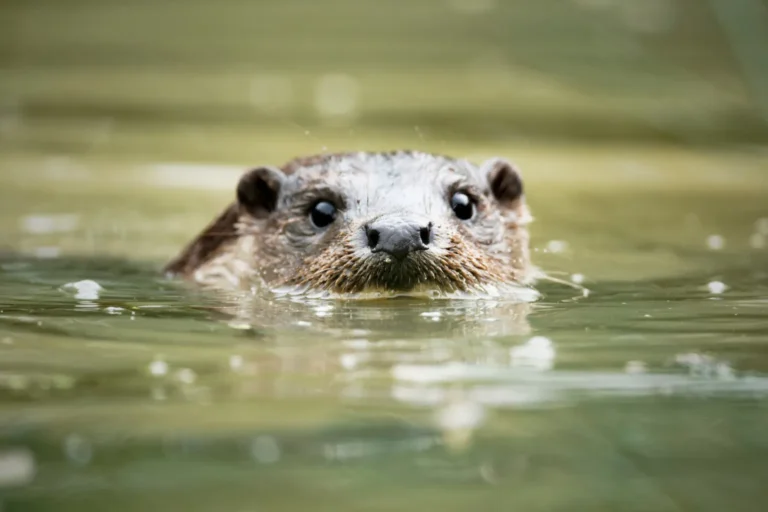
Otters are protected under the Conservation of Habitats and Species Regulations 2017 (as amended) and the Wildlife and Countryside Act 1981. This legal protection makes it an offence to deliberately capture, kill, or disturb otters or to damage or destroy their resting places, such as holts and couches. Water voles, are also protected under the Wildlife and Countryside Act 1981,
Why do I need an otter or water vole survey?
When are otter and water vole surveys needed?
Infrastructure projects such as road, rail, and bridge works.
Residential and commercial developments near water bodies.
Watercourse management or habitat restoration projects.
Flood defence works and drainage improvements.


Recent Success Story
Possible Outcomes
Below are the main report and supporting appendices, which together provide a comprehensive overview of our Open Space Assessments. The main report outlines the core findings and recommendations, while the appendices offer detailed data, methodologies, and supplementary materials that support and expand upon the main analysis:
No evidence of species detected
Evidence of presence
Mitigation required
Compensatory measures
Survey Process
Habitat assessment
The first step is a desk study and onsite habitat assessment, which evaluates the site’s potential to support breeding, wintering, or migratory bird species. This informs whether further surveys are required such as those listed below:
Presence/Absence Surveys
Presence/absence surveys are conducted to determine whether otters or water voles are present within a given area. These surveys involve searching for field signs such as:
Otter
Water Vole
Why developers choose Ethos?
A wealth of knowledge
..surrounding quanitative otter and water vole surveys.
Holistic approach to riparian habitats
Adaptive mitigation strategies
Strong stakeholder engagement

Continued monitoring and support