Ecology, biodiversity net gain, and open space consultancy for local authorities and developers across the UK.

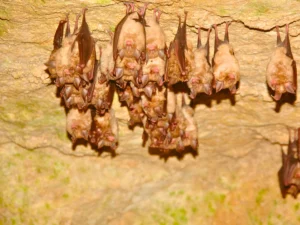
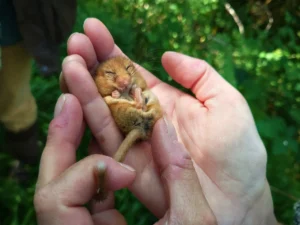
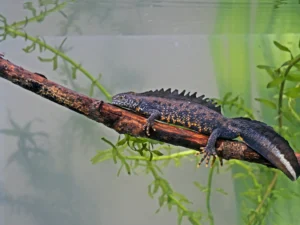
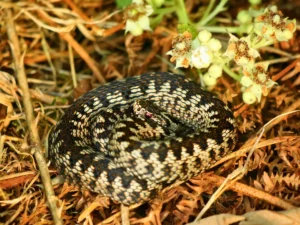
Protected species surveys

Bird surveys

Identify key species, assess potential development impacts, and inform mitigation strategies. Ensure legal compliance, support planning applications and protected species licensing, and guide habitat management to minimise ecological harm.

Ecology that works on the ground

Always someone to talk to

Reducing risk in the planning process

Free quotes and transparent pricing

Balancing ecology with project delivery

Direct access to experienced ecologists

Real-world land management expertise

Supporting sustainable communities

Trusted by Local Planning Authorities

Pragmatic solutions, proportional advice

Helping avoid planning delays

Surveys to BNG units - all in one place

Why do I need a bird survey?

Bird surveys identify key species, assess potential development impacts, and inform mitigation strategies. They ensure legal compliance, support planning applications and protected species licensing, and guide habitat management to minimise ecological harm.

Surveys also help determine whether additional measures, such as Section 106 agreements for habitat compensation or Suitable Alternative Natural Greenspace (SANG) to mitigate recreational pressure on Special Protection Areas (SPAs), are necessary to protect bird populations.

When are bird surveys required?

Bird surveys are required when development may impact breeding, wintering, or migratory birds, particularly if your site is near to a protected site designated for birds. They support planning applications by ensuring compliance with UK wildlife legislation.

The following require bird surveys:

Environmental Impact Assessments (EIAs).

Habitats Regulations Assessments (HRAs).

Renewable energy projects.

Ecological compliance during construction works.

Ducklings in freshwater wetland habitat for ecological survey and biodiversity assessmentWoodpecker perched on tree in woodland habitat during rain

Survey process

Habitat assessment

The first step is a desk study and onsite habitat assessment, which evaluates the site’s potential to support breeding, wintering, or migratory bird species. This informs whether further surveys are required such as those listed below:

Breeding bird surveys

Conducted March to July, with multiple visits to assess breeding activity.
Uses territory mapping and point counts to estimate bird populations.
Focuses on Schedule 1 species, Birds of Conservation Concern (BoCC), and NERC priority species.

Farmland bird surveys

Targets farmland specialists identified by the RSPB Farmland Bird Indicator.
Requires at least three surveys during the breeding season (March–July).
Uses territory mapping and transect surveys to assess populations.

Wintering bird surveys

Conducted October to March, with peak surveys from November to February.
Follows BTO Wetland Bird Survey (WeBS) methodology.
Techniques include roost counts, low tide counts, and vantage point surveys.

What is the purpose of bird surveys?

Bird surveys identify key species, assess potential development impacts, and inform mitigation strategies. They ensure legal compliance, support planning applications and protected species licensing, and guide habitat management to minimise ecological harm.

Surveys also help determine whether additional measures, such as Section 106 agreements for habitat compensation or Suitable Alternative Natural Greenspace (SANG) to mitigate recreational pressure on Special Protection Areas (SPAs), are necessary to protect bird populations.

Possible outcomes

No significant constraints

Development can proceed with minimal impact.

Mitigation required

Buffer zones, timing restrictions, or habitat enhancements may be necessary.

Further surveys needed

Additional seasonal or species-specific surveys may be required.

Modification of site plans

Development layouts may need adjusting to protect key habitats.

Protected species licensing 

If Schedule 1 species are affected, a mitigation licence may be required.

Construction phase monitoring 

Ongoing surveys and mitigation may be necessary to ensure compliance.

Why developers choose Ethos?

Experienced ornithologists

Our team includes CIEEM-accredited ornithologists with extensive expertise in breeding bird surveys, wintering bird surveys, and vantage point surveys.

Innovative techniques

We utilise acoustic monitoring to gain a deeper understanding of species assemblage, enhancing survey accuracy and efficiency.
Construction team reviewing building plans and blueprints with safety equipment

Pragmatic approach

We provide practical, solutions-focused advice, balancing conservation needs with development objectives.
Person in high-visibility vest studying plants in wildflower field

Strong relationships

Trusted by planning authorities and conservation bodies, ensuring smoother approvals and collaborative outcomes.
Team planning session with notes on glass board and meeting in background

Expert mitigation strategies

Specialist knowledge in habitat management and mitigation to meet legal requirements effectively.

Receive a detailed breakdown
for your project

We provide tailored solutions to help you deliver high-quality, sustainable green spaces. Contact us today to discuss your needs. Whether you require:
Biodiversity net gain
Policy advice
Full strategy
Ecological assessments.

01225 444114

info@ethosep.co.uk