Protected Species Surveys
Invertebrate Surveys
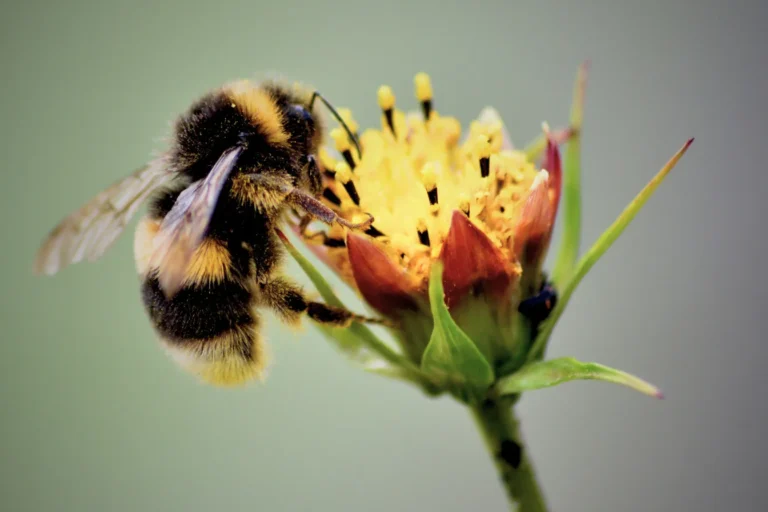
The UK is home to over 30,000 species of invertebrates, ranging from bees, butterflies, and beetles to spiders, snails, and dragonflies. These species play vital roles in ecosystems - as pollinators, decomposers, predators, and prey - and are often key indicators of habitat quality.
Because of their diversity and sensitivity to environmental change, invertebrates are an important consideration in ecological assessments. At Ethos, we manage and coordinate invertebrate surveys in collaboration with specialist entomologists to support planning applications, habitat management, and conservation objectives.Shape
Because of their diversity and sensitivity to environmental change, invertebrates are an important consideration in ecological assessments. At Ethos, we manage and coordinate invertebrate surveys in collaboration with specialist entomologists to support planning applications, habitat management, and conservation objectives.Shape
When are invertebrate surveys needed?
These habitats can support rare or specialist invertebrates and are often subject to scrutiny during the planning process.
An invertebrate survey is typically required when a site:
An invertebrate survey is typically required when a site:
Lies on or near designated sites such as SSSIs, LNRs, or SINCs
Contains, or is adjacent to, priority habitats (as listed under Section 41 of the NERC Act)
Includes ancient woodland or long-established semi-natural woodland
Features high habitat diversity or structural complexity likely to support notable species
Supports Open Mosaic on Previously Developed Land, a priority habitat often found on brownfield land

What is the purpose of invertebrate surveys?
Determine the ecological value of a site for invertebrate species and assemblages
Identify notable, rare, or protected invertebrates
Provide evidence to support planning applications and Ecological Impact Assessments (EcIAs)
Assist with conservation planning and habitat management decisions
Survey Process
Our invertebrate assessment process includes:
Initial Scoping
to evaluate the site's potential to support important invertebrate assemblages
Specialist Surveys
carried out by experienced entomologists using appropriate seasonal techniques such as:
Pitfall trapping
Sweep netting
Light trapping
Hand searching and targeted methods for specific groups
Analysis and Identification
carried out by recognised specialists
Reporting
clear interpretation of findings and integration into ecological reporting
All surveys are conducted following CIEEM guidelines and relevant national best practices.
Possible Outcomes
We ensure all advice is practical, proportionate, and aligned with the realities of land use and project timelines.
Confirmation that no further ecological action is required
Identification of species or assemblages needing protection, mitigation, or monitoring
Design modifications to avoid or reduce impacts on key habitats
Development of ecological enhancement measures tailored to the site’s specific invertebrate assemblage
Creation or restoration of habitats to support target species or assemblages
Long-term management recommendations aligned with the ecological context of the site
Why developers choose Ethos?
A dedicated and experienced team
Confident in making informed, on-the-spot decisions to keep projects moving safely and compliantly.
Experts in reporting
Clarity and transparency in all reporting and recommendations.
Dedicated team
Integrated support for planning, conservation, and habitat management projects.
Strong relationships
Seamless coordination with a network of expert invertebrate surveyors and taxonomists

Pragmatic and proportional approach
A pragmatic, client-focused approach to ecological consultancy

Rapid site visit availability
Ensuring minimal delays to development timelines preventing costly delays.
Receive a detailed breakdown
for your project
We provide tailored solutions to help you deliver high-quality, sustainable green spaces. Contact us today to discuss your needs. Whether you require:
Biodiversity net gain
Policy advice
Full strategy
Ecological assessments.