Ecology, biodiversity net gain, and open space consultancy for local authorities and developers across the UK.

Ecology

Protected species licencing

Many developments encounter the need for a Protected Species Licence when works may impact wildlife safeguarded under UK and European law. Whether it's bats in a loft, otters near a watercourse, or great crested newts in a pond, Ethos provides expert guidance through the licensing process to ensure legal compliance while supporting project delivery.

Ecology that works on the ground

Always someone to talk to

Reducing risk in the planning process

Free quotes and transparent pricing

Balancing ecology with project delivery

Direct access to experienced ecologists

Real-world land management expertise

Supporting sustainable communities

Trusted by Local Planning Authorities

Pragmatic solutions, proportional advice

Helping avoid planning delays

Surveys to BNG units - all in one place

When is a licence required?

A licence is required when development activities risk disturbing, injuring, or destroying protected species or their habitats. This includes works such as:

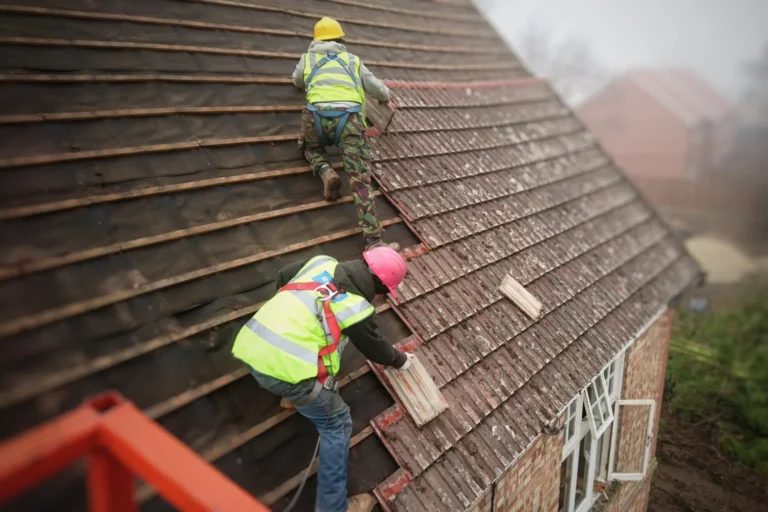
Demolition or roof works on buildings used by bats

Damage or removal of otter holts or badger setts

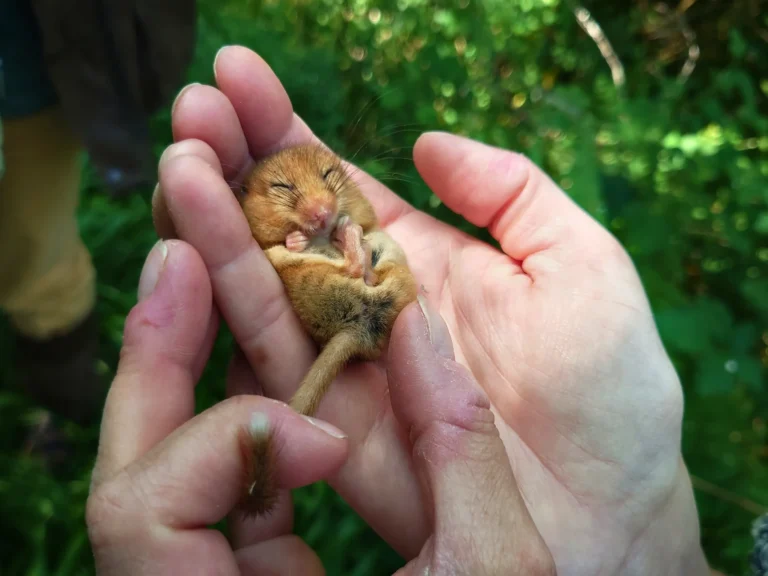
Vegetation clearance in areas with dormice

Pond infilling, trenching, or habitat clearance affecting great crested newts
Without a licence, these actions may constitute an offence under legislation such as the Wildlife and Countryside Act 1981, the Conservation of Habitats and Species Regulations 2017 and the Protection of Badgers Act 1992.
Two workers installing roof tiles on a house while secured with safety gearClose-up of a small mammal being gently held during a wildlife survey

Our licensing process

The Ecological Impact Assessment (EcIA) process follows a clear and structured approach: 

1. Survey and assessment

We typically carry out the required habitat and species surveys to inform the licence application. However, we can also step in to prepare and manage a licence application based on survey data provided by another consultant, provided the data meets current guidance and licensing standards.

2. Mitigation planning

If protected species are confirmed, we develop a clear mitigation strategy tailored to the species, site, and development timeline. This includes habitat retention, seasonal timing, and relocation measures where appropriate.

3. Licence application preparation

Our team prepares the full licence submission – including method statements, justification, and mitigation plans – and liaises directly with Natural England (or the relevant statutory body) to streamline the approval process. Evaluate the potential effects of the proposed development on important ecological features.

4. Implementation and compliance

Once a licence is granted, we oversee the delivery of all mitigation measures on site. This may include presence of an Ecological Clerk of Works (ECoW) and post-development monitoring, where required by the licence.

What happens next?

An Ecological Impact Assessment (EcIA) helps shape development proposals in line with ecological best practice. Possible outcomes include:

Licence granted

Once approved, works can proceed lawfully under the terms of the licence.

Additional information requested

If regulators require more detail, we handle all communication and resubmission.

Monitoring and reporting

We conduct post-licence monitoring, as required, and submit final reports to demonstrate compliance.

Why developers choose Ethos?

A dedicated and experience team

Confident in making informed, on-the-spot decisions to keep projects moving safely and compliantly.

Licensing expertise

Our team has a strong track record of successfully securing licences for all commonly protected species - including bats, otters, dormice, badgers, and great crested newts.

Legislation specialists

We have in-depth knowledge of relevant legislation and guidance, ensuring every step is legally compliant.

Qualified and licensed ecologists

Ethos consultants hold the necessary survey and mitigation licences to lead complex protected species work.
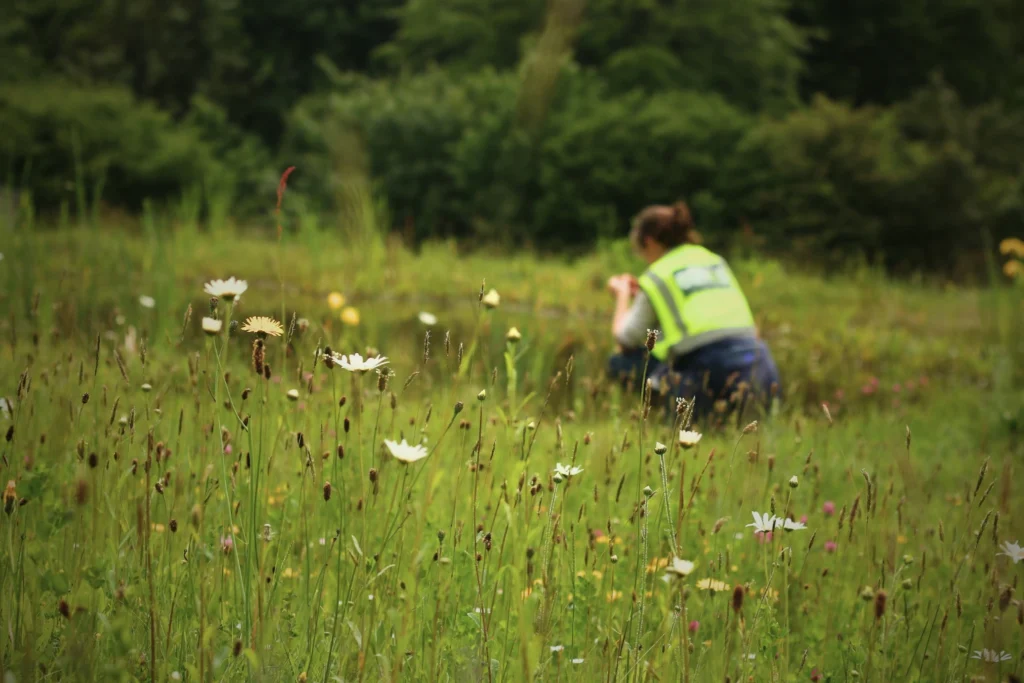
Ethos surveyor conducting ecological field survey in wildflower grassland

Project-focused delivery

We work closely with clients, contractors, and regulators to balance ecological protection with practical project timelines.
Close-up of professionals discussing and pointing at planning documents

Full lifecycle support

From initial survey through to post-licence monitoring, we offer comprehensive, reliable support at every stage.

Receive a detailed breakdown
for your project

We provide tailored solutions to help you deliver high-quality, sustainable green spaces. Contact us today to discuss your needs. Whether you require:
Biodiversity net gain
Policy advice
Full strategy
Ecological assessments.

01225 444114

info@ethosep.co.uk