Ecology, biodiversity net gain, and open space consultancy for local authorities and developers across the UK.

Protected Species Surveys

Reptile Surveys

Reptiles are protected under the Wildlife and Countryside Act 1981, making it illegal to intentionally kill, injure, or trade these species. Additional protection applies to smooth snakes and sand lizards, which are also safeguarded against disturbance and habitat destruction.

Ecology that works on the ground

Always someone to talk to

Reducing risk in the planning process

Free quotes and transparent pricing

Balancing ecology with project delivery

Direct access to experienced ecologists

Real-world land management expertise

Supporting sustainable communities

Trusted by Local Planning Authorities

Pragmatic solutions, proportional advice

Helping avoid planning delays

Surveys to BNG units - all in one place

Why do I need a reptile survey?

The primary purpose of reptile surveys is to determine the presence or absence of reptiles on a site and, if present, to assess their population size and distribution. This information is essential for ensuring compliance with wildlife legislation, informing ecological impact assessments, and designing appropriate mitigation or compensatory measures to support development proposals.

When are reptile surveys needed?

Reptile surveys are required when a proposed development or land management activity could potentially impact reptile habitats. This may include areas of rough grassland, heathland, woodland edges, scrub, brownfield sites, or any areas with suitable basking, foraging, or sheltering opportunities for reptiles. Planning authorities require these surveys to ensure compliance with relevant wildlife protection legislation and planning policies.

Residential and commercial developments impacting grasslands, heathlands, brownfield sites, and scrub.

Infrastructure projects such as roads, pipelines, and railways.

Land management and habitat restoration schemes.

Quarrying, mineral extraction, and other large-scale groundworks.
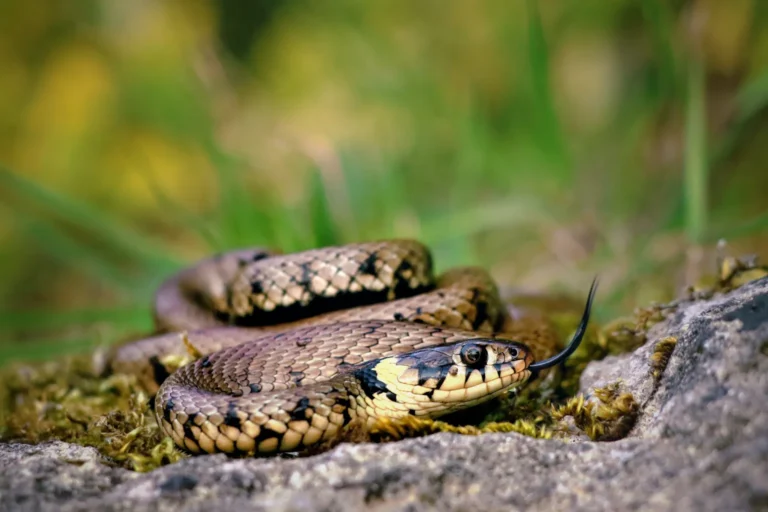
Close-up of a grass snake with its tongue extended, coiled on the groundPloughed agricultural field with rows of soil leading toward green hills and trees

Possible Outcomes

No reptiles detected

No further action required, or minimal mitigation to prevent habitats from becoming suitable. 

Reptiles detected

Additional surveys may be required to assess population size and distribution.

Mitigation required

Where reptiles are present, mitigation strategies may include timing of works to minimise impact to reptiles, precautionary working method statements, supervised habitat clearance, exclusion fencing, translocation, or licensing. 

Translocation

In cases where populations cannot be retained in situ, our specialists can conduct translocations to suitable receptor sites. 

Compensatory measures

If reptiles are present and habitat is to be lost; compensatory habitat must be created with good connectivity to offsite habitats in order to sustain a viable reptile population.

Licensing

Required where European Protected species (sand lizard and smooth snake) are to be impacted. 
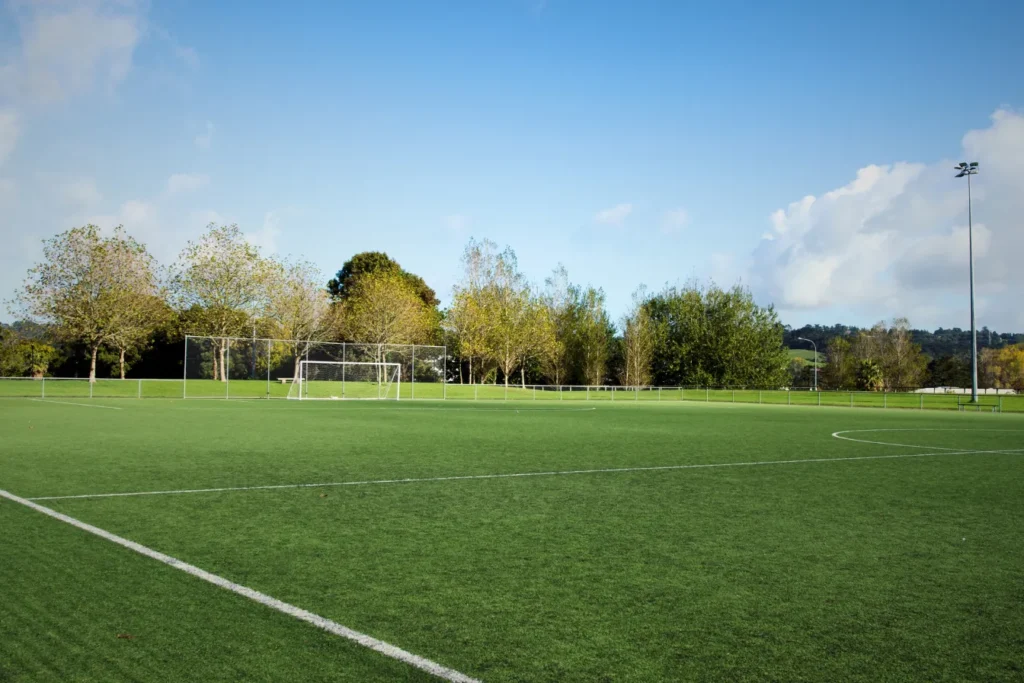
Empty football pitch with goalposts and green grass under a clear blue sky

Reptile Translocation at a Keynsham School

Between 2022 and 2024, we provided ecological assistance to a primary school in Keynsham, Somerset, which was expanding to include new playing pitches. Our experienced ecologists conducted a reptile survey that identified a ‘Good’ population of slow worms. As the surrounding area had poor habitat suitability for reptiles, it was essential to retain a viable population on site with sufficient habitat.

Survey process

The primary purpose of reptile surveys is to determine the presence or absence of reptiles on a site and, if present, to assess their population size and distribution. This information is essential for ensuring compliance with wildlife legislation, informing ecological impact assessments, and designing appropriate mitigation or compensatory measures to support development proposals.

Population Monitoring

If reptiles are identified on a site, further surveys may be required to estimate population size and distribution. This involves repeating the presence/absence surveys over 20 visits to gather sufficient data. Understanding population size is crucial for developing appropriate mitigation or compensatory measures. 

Presence/Absence Surveys

Carried out to determine whether reptiles are present on a site. These surveys involve a combination of visual checks and inspection under naturally occurring or artificial refugia placed in suitable habitats. Seven visits are conducted during the reptile active season, from March to October, when reptiles are most likely to be basking or sheltering under refugia.
Receive a detailed breakdown
for your project

We provide tailored solutions to help you deliver high-quality, sustainable green spaces. Contact us today to discuss your needs. Whether you require:
Biodiversity net gain
Policy advice
Full strategy
Ecological assessments.

01225 444114

info@ethosep.co.uk