Ecology, biodiversity net gain, and open space consultancy for local authorities and developers across the UK.

Protected Species Surveys

Otter and water vole surveys

Otters are protected under the Conservation of Habitats and Species Regulations 2017 (as amended) and the Wildlife and Countryside Act 1981. This legal protection makes it an offence to deliberately capture, kill, or disturb otters or to damage or destroy their resting places, such as holts and couches. Water voles, are also protected under the Wildlife and Countryside Act 1981,

We will also Provide a full GIS database containing all mapped sites; quality audit results and geolocated photographs; and access buffers.

Ecology that works on the ground

Always someone to talk to

Reducing risk in the planning process

Free quotes and transparent pricing

Balancing ecology with project delivery

Direct access to experienced ecologists

Real-world land management expertise

Supporting sustainable communities

Trusted by Local Planning Authorities

Pragmatic solutions, proportional advice

Helping avoid planning delays

Surveys to BNG units - all in one place

Why do I need an otter or water vole survey?

The primary purpose of otter and water vole surveys is to establish their presence or absence, assess population size and distribution, and identify key habitat features to ensure legal compliance, inform ecological impact assessments, support planning applications, and guide conservation and habitat enhancement efforts.

When are otter and water vole surveys needed?

Otter and water vole surveys are required when proposed developments or land management activities are likely to impact suitable habitats such as rivers, streams, ditches, ponds, canals, wetlands, and other riparian habitats. Local Planning Authorities often require surveys to ensure compliance with wildlife protection laws.

Infrastructure projects such as road, rail, and bridge works.

Residential and commercial developments near water bodies.

Watercourse management or habitat restoration projects.

Flood defence works and drainage improvements.
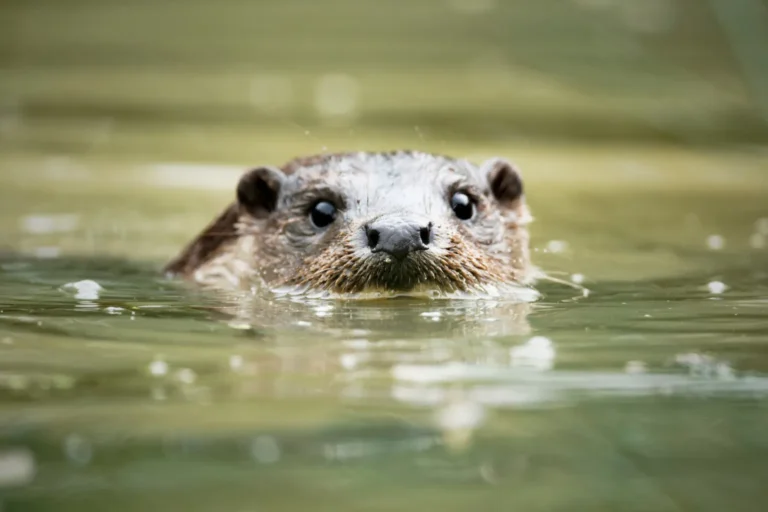
Close-up of an otter swimming in water with its head above the surface looking forwardMacro view of moss with delicate spore stalks holding water droplets on a forest floor
Tree surgeons cutting branches in a woodland area with one worker in a tree and another on the ground

Recent Success Story

In 2021, we provided ecological support to Wiltshire Council for essential safety works involving tree management along a riverbank. Our surveys identified evidence of water vole activity within the area.

Possible Outcomes

Below are the main report and supporting appendices, which together provide a comprehensive overview of our Open Space Assessments. The main report outlines the core findings and recommendations, while the appendices offer detailed data, methodologies, and supplementary materials that support and expand upon the main analysis:

No evidence of species detected

No further action required

Evidence of presence

Additional surveys or habitat assessments may be required to inform mitigation strategies.

Mitigation required

Measures may include buffer zones, exclusion fencing, or, very occasionally, translocation.

Compensatory measures

Designed to support development proposals and ensure compliance with legislation and planning policies.

Survey Process

Habitat assessment

The first step is a desk study and onsite habitat assessment, which evaluates the site’s potential to support breeding, wintering, or migratory bird species. This informs whether further surveys are required such as those listed below:

Presence/Absence Surveys

Presence/absence surveys are conducted to determine whether otters or water voles are present within a given area. These surveys involve searching for field signs such as:

Otter

Spraints, footprints, feeding remains, holts, and resting sites.

Water Vole

Burrows, latrines, feeding stations, footprints, and runs.

Why developers choose Ethos?

A wealth of knowledge

..surrounding quanitative otter and water vole surveys.

Holistic approach to riparian habitats

We recognise that otters and water voles are part of broader
ecosystems. Our survey work is integrated with riparian habitat enhancement to ensure long-term benefits for wildlife.

Adaptive mitigation strategies

We tailor mitigation plans to the specific site and species requirements, ensuring practical and effective solutions.

Strong stakeholder engagement

We work closely with developers, planners, and local conservation groups to deliver successful, collaborative projects.
Close-up of professionals discussing and pointing at planning documents

Continued monitoring and support
Our services extend beyond initial surveys to include post-construction monitoring and advice, ensuring compliance and conservation success.
Woodland stream flowing through natural habitat with mature trees

Expert knowledge of freshwater ecosystems

Our team has in-depth experience with riparian habitats, allowing us to provide specialist guidance for sensitive projects.

Receive a detailed breakdown
for your project

We provide tailored solutions to help you deliver high-quality, sustainable green spaces. Contact us today to discuss your needs. Whether you require:
Biodiversity net gain
Policy advice
Full strategy
Ecological assessments.

01225 444114

info@ethosep.co.uk